Today's Videos
News
Seo-yoon Shin LG Twins Cheerleader Fancam 20260701

Twins ✨Goddess ChaCha✨ Opening~🎶 Cha Younghyun Cheerleader Fancam

🚇5 minutes from subway station! No need to go to Gangwon-do anymore | New observatory at the end of a 20,000 pyeong pine forest path | Domestic day trip by public transport
![[4K] BABYMONSTER ASA - 'SUGAR HONEY ICE TEA' Performance Focus [Part 1] 🏁ACE MONSTER](https://i.ytimg.com/vi/0lvjNcDfLW4/hqdefault.jpg)
[4K] BABYMONSTER ASA - 'SUGAR HONEY ICE TEA' Performance Focus [Part 1] 🏁ACE MONSTER



At 9 AM sharp, right after opening... Must get there before the tourists rush in!! #JejuTravel #Sangumburi #NaturalMonument #AutumnSilvergrass

Jeju Sangumburi Silver Grass 🌾 1-Minute Healing with Wind & Blue Sky


Dancing with Silver Grass at Sangumburi, Saebyeol Oreum

2026 Jeju, Comfort Heard From There (When Life Gives You Tangerines OST)

More beautiful than heaven heavenly ever after Lim Young-woong #SongShort #MrTrot2 #JejuIsland #BangjuChurch

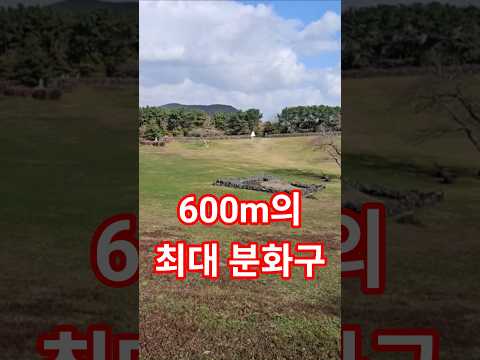
Sangumburi: Jeju Island's Oreum Exhibition with the Largest Crater
🗺 Choose a destination on the map
Hiking
Culture
Monthly Best
Region
📍 Places to Visit
Jeju — A Different Country Inside Korea
Jeju is Korean but not quite Korea. A volcanic island, the warmest and windiest part of the country, with a dialect almost a separate language. For foreign travelers, Jeju is "the resort island you save for the end of the trip." Nature, food, and drives — completely different in feel from the mainland.
What it is
Korea's southernmost volcanic island. About three times the size of Seoul. Hallasan (1,947 m) sits in the middle, with cliffs, beaches, and harbors lining the coast. UNESCO World Natural Heritage. Two main bases: Jeju City (airport, downtown, Dongmun Market) in the north and Seogwipo (coastal scenery, Olle trails) in the south.
Must-visit spots
- 🌋 Hallasan — Korea's highest peak. Has its own page. The Seongpanak and Gwaneumsa courses require advance reservation; Yeongsil and Eorimok are easier.
- 🌅 Seongsan Ilchulbong — a 30-minute walk around a crater rim. Famous sunrise spot.
- 🏝 Udo Island — 15-minute ferry from Seongsan. Loop it by bike or electric cart (3 hours). Peanut ice cream is the local thing.
- 🕳 Manjanggul Cave — lava tube. 12 °C even in midsummer — a great heat escape.
- 🌊 Hyeopjae / Hamdeok Beach — emerald water. Hyeopjae has the Biyangdo Island view.
- ☕ Cafés (an insane density) — every hour along the coastal road has a notable café. Jeju is café heaven.
- 🌳 Saryeoni Forest Path / Bijarim Forest — easy forest walks. A good alternative if Hallasan feels too much.
- 🪨 Daepo Columnar Joints — basalt cliff pillars. A photo spot.
Food — different from the mainland
- Black-pig BBQ — Jeju's signature. Notably thick cuts. Try Donsadon or the Black Pig Street in Yeon-dong / Jungmun.
- Galchi stew / grilled hairtail — a whole hairtail, served big. Restaurants in Dongmun Market.
- Gogi-guksu (pork-bone noodle soup) — Jeju's home dish. Samdae Guksu Hoegwan (downtown) is a classic.
- Abalone porridge / abalone dishes — a product of the haenyeo (women divers) culture. Pricier.
- Omegi-tteok — millet and red bean. A market snack.
- Hallabong / mandarins — winter season, often paired with farm visits.
Getting there — flying is basically the only way
- Air: 1 hour from Gimpo, Incheon, Busan, etc. The world's busiest air route (Gimpo-Jeju). Prices swing a lot — book early.
- Ferry: from Mokpo, Wando, Busan, etc. Long (5–12 hours), not recommended.
- Airport → downtown: city bus (e.g., 600 series) or taxi (around 10,000 won).
Getting around — a car is essentially required
Public transit is weak. City buses exist but stringing sights together by bus eats your day. Options:
- Rental car — the standard. International driving permit required. About 50,000–100,000 won/day.
- Taxi / KakaoT — fine for short hops, expensive all day.
- Bus + walking — possible, but you'll spend half the day waiting. Not recommended.
- Group tours — many English-speaking day tours. The right call if you don't want to drive.
Suggested itineraries
- 2 nights, 3 days — Day 1: downtown + Dongmun Market + Hyeopjae / Day 2: Seongsan + Udo / Day 3: Hallasan or Saryeoni Forest
- 3 nights, 4 days — add Seogwipo (columnar joints, Cheonjiyeon, cafés)
- 5+ days — try the Hallasan summit + one Olle trail segment
Season by season
- 🌸 Spring (Mar–May) — canola flowers (late March), cherry blossoms, Hallasan azaleas. Popular season.
- ☀️ Summer — swimming and haenyeo season. Watch out for monsoon rains and typhoons.
- 🍁 Autumn (Oct–Nov) — the most pleasant. Hallasan foliage + silver grass. Top-recommended season.
- ❄️ Winter — Hallasan snowscapes and citrus. Warmer than the mainland, but the wind is strong.
Honest tips
- Without a rental car, half your trip is travel time. No license? Take a taxi day tour.
- Air + hotel packages are often cheaper than booking separately. Compare prices.
- Black-pig restaurants can be touristy and pricey. Search for locals' recommendations.
- The Hallasan summit course has daily entry limits + advance reservation. Check the official Hallasan National Park site about a month before.
- Wind is no joke. Use a hat strap and pack a poncho instead of an umbrella.
Visitor info
- Recommended length: 2 nights, 3 days or more
- Language: Korean, with English at tourist sites and car rentals. The Jeju dialect is largely incomprehensible even to Koreans — that's fine.
- Airport: Jeju International (CJU)
Recommended Videos
News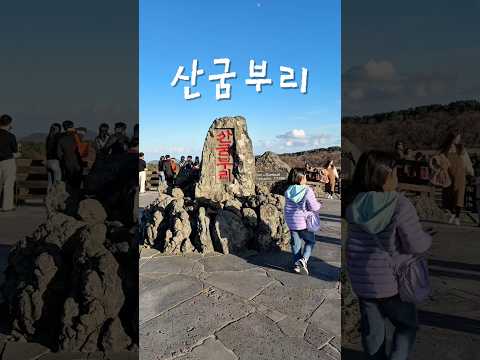


#ShinGyeHaeng#AutumnLove #JejuTouristSpot#SilverGrass#Sangumburi


Insane Combination of Silver Grass + Sunset + Hallasan Scenery🥹 #Sangumburi #JejuSangumburi #JejuSilverGrassSpot #JejuIslandSilverGrassSpot #JejuIslandTravelCourse #JejuIslandTravel #JejuIslandAutumnTravel #JejuIslandAutumnMustVisitPlaces #JejuAutumnTravel
![EP.017 Sangumburi Silvergrass is incredible…(feat. Udon Kaden)[4K]](https://i.ytimg.com/vi/0LGG22KqCkQ/hqdefault.jpg)
EP.017 Sangumburi Silvergrass is incredible…(feat. Udon Kaden)[4K]

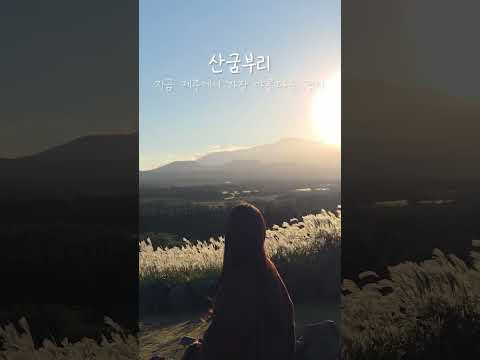
The Most Beautiful Scenery You Can Only See in Jeju Right Now ❣️


Finding You in the Autumn Wind #ai싱어송라이터 #kpop #sunoai #음악

Sangumburi Eulalia Path Full of Sunset Glow, with Lovers and Family!

Jeju Travel#JejuAutumn#Sangumburi#Silvergrass

Jeju's Autumn Silver Grass Vibe #JejuIsland #Autumn #SilverGrass #Vibe #SaebyeolOreum #Sangumburi #SilverGrassField

#Shorts Sangumburi

❤️Week 50❤️Last autumn greetings with silver grass👑#Baby #BabyVlog #ParentingVlog #ParentingDiary #JejuIsland #JejuBaby #CuteBaby #PrettyBaby #SilverGrass #Sangumburi #GAP

Exploring Sangumburi, a Treasure Trove of Plants

![[#Jeju Travel 16] Exploring Jeju Sangumburi (Crater)!](https://i.ytimg.com/vi/3reHXb9RGrk/hqdefault.jpg)
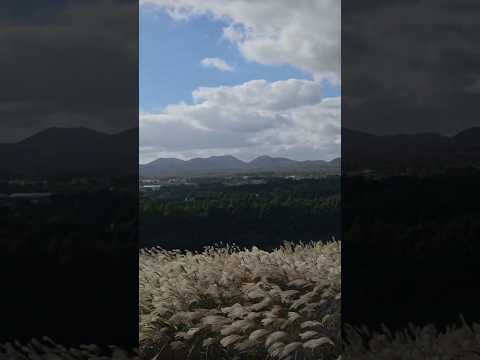
Sangumburi, a Silver Grass Forest Where You Can Feel the Autumn Charm of Jeju #제주여행지 #갈대#억새밭 #가을 #갈대밭 #shorts #여행지추천 #제주여행

20191119 Jeju Jocheon-eup Gyorae-ri Sangumburi Crater Silver Reeds Wind Sound Deepening Autumn Scenery ^^

20191119 Jeju Jocheon-eup Gyorae-ri Sangumburi Crater: Silver Grass, Sound of Wind, Sound of Birds, Centuries-Old Korean Fir, Cedar, Hinoki Cypress, Deepening Autumn Scenery ^^


The Grand Spectacle of the Crater Unfolding Beneath Cotton Candy Clouds, Sangumburi