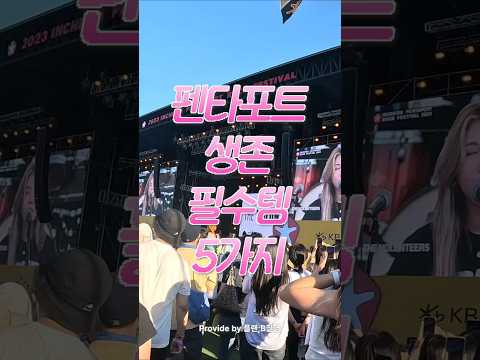
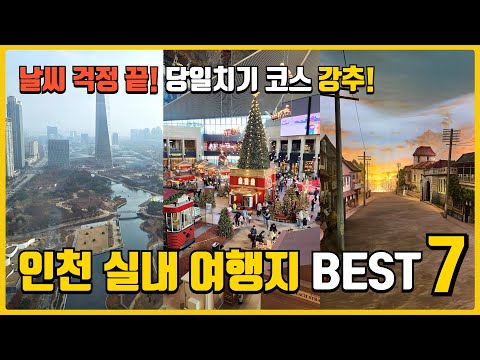
📍 가볼 만한 곳
인천광역시 게시판
[4K] 260712 'irony' LE SSERAFIM 르세라핌 KAZUHA FanCam카즈하 직캠 中村一葉直拍 PUREFLOW IN INCHEON
![[4K] 260712 'irony' LE SSERAFIM 르세라핌 KAZUHA FanCam카즈하 직캠 中村一葉直拍 PUREFLOW IN INCHEON](https://img.youtube.com/vi/ml3AMyBUeAw/mqdefault.jpg)
락페에서 들으면 극락 가는 몽환 사운드 끝판왕 '다브다(Dabda)' #다브다 #더퍼스트웨이브 #펜타포트2026 #펜타포트락페스티벌 #PENTAPORT2026

🚇서울에서 30분! 무료로 폭포, 노을, 야경을 하루에 즐기는 당일치기 힐링 코스ㅣ대중교통 국내여행
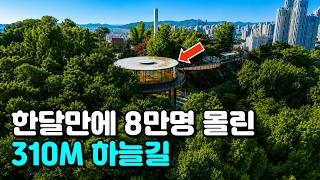
2026 펜타포트 릴리 잇 머신 루키 소개영상 full

인천 펜타포트락페스티벌 라인업 가수 예매

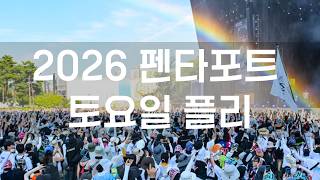
(Playlist) 꽉 채운 2026 인천펜타포트 락 페스티벌 토요일 플리_Songs for 2026 Incheon Pentaport Rock Festival Saturday
인천광역시 한눈에 보기
대한민국의 관문이자 과거와 미래가 공존하는 도시, 인천은 한국 최초의 개항장이라는 역사적 배경 위에 국제공항과 항만을 품은 현대적인 국제도시로 성장했습니다. 수도권에 인접한 지리적 이점과 168개의 아름다운 섬, 그리고 송도, 청라, 영종으로 대표되는 경제자유구역을 통해 역동적인 정체성을 뽐내는 곳입니다. 갯벌을 메워 만든 간척지 위에 세워진 새로운 도심과 구도심의 역사가 어우러져 독특한 분위기를 자아냅니다.
이런 분께 추천
- 역사와 문화 탐방을 즐기는 분: 개항기 역사의 흔적이 고스란히 남은 중구 일대와 삼국시대부터 근현대사까지 아우르는 강화도를 탐험하고 싶은 분.
- 도시와 자연의 조화를 느끼고 싶은 분: 송도 센트럴파크의 현대적인 야경과 을왕리, 선재도 등 서해의 아름다운 일몰을 함께 즐기고 싶은 분.
- 미식 탐험을 즐기는 미식가: 짜장면의 발상지 차이나타운, 신포국제시장의 닭강정, 실수로 탄생한 별미 쫄면 등 원조의 맛을 경험하고 싶은 분.
- 가족 단위 여행객: 월미도의 레트로한 놀이공원과 다양한 테마파크, 공원에서 온 가족이 함께 즐거운 추억을 만들고 싶은 분들.
- 한국을 처음 방문하는 외국인 여행객: 인천국제공항에서 내리자마자 쉽고 편리하게 한국의 현대적인 모습과 전통을 동시에 경험하고 싶은 분.
가는 길과 접근
- 서울에서 출발: 수도권 전철 1호선과 7호선, 수인분당선, 공항철도 등 다양한 지하철 노선이 직접 연결되어 있어 1시간 내외로 편리하게 접근할 수 있습니다. 광역버스 노선 또한 잘 갖추어져 있습니다.
- 부산에서 출발: KTX를 이용해 서울역이나 광명역까지 이동한 후, 수도권 전철로 환승하는 것이 가장 빠릅니다. 또는 부산종합버스터미널에서 인천종합터미널까지 운행하는 고속버스를 이용할 수도 있습니다.
- 지역 내 교통: 인천 지하철 1, 2호선과 시내버스가 촘촘하게 연결되어 있어 뚜벅이 여행자도 주요 명소를 쉽게 둘러볼 수 있습니다. 섬 지역으로 이동 시에는 연안부두 여객터미널을 이용해야 합니다.
대표 명소 5~7곳
- 차이나타운 & 개항장: 1884년 청나라 조계지가 설정된 이래 화교의 문화가 이어진 곳으로, 이국적인 풍경과 맛있는 먹거리가 가득합니다.
- 송도 센트럴파크: 국내 최초의 해수공원으로, 고층 빌딩 숲 사이에서 수상 택시와 카누를 즐길 수 있는 이국적인 휴식 공간입니다.
- 월미도: 바다를 보며 즐기는 놀이기구와 낭만적인 대관람차가 유명하며, 특히 디스코 팡팡의 인기가 높습니다.
- 강화도: 고인돌 유적부터 고려궁지, 조선시대의 진과 보에 이르기까지 살아있는 역사박물관이라 불리는 섬입니다.
- 을왕리해수욕장: 완만한 백사장과 아름다운 낙조로 유명하여 연중 많은 사람이 찾는 인천의 대표적인 해변입니다.
- 신포국제시장: 닭강정과 공갈빵 등 특색 있는 먹거리로 유명하며, 활기찬 시장 분위기를 느낄 수 있는 곳입니다.
지역 음식 & 특산물
- 쫄면: 1970년대 인천의 한 제면소에서 실수로 굵게 뽑은 면에서 시작된 음식으로, 이제는 전국적인 분식 메뉴가 되었습니다.
- 신포시장 닭강정: 바삭하게 튀겨낸 닭고기에 매콤달콤한 소스를 버무려낸 닭강정은 신포국제시장의 상징과도 같습니다.
- 밴댕이회무침: 5~6월이 제철인 밴댕이를 신선한 채소와 함께 매콤새콤한 양념에 무쳐낸 별미입니다.
- 강화 순무김치: 강화도의 특산물인 순무로 담근 김치로, 독특한 풍미와 아삭한 식감이 특징입니다.
시기별 추천
- 봄: 강화도 고려산에 만개하는 진달래 군락을 감상하거나, 인천대공원의 벚꽃 터널을 거닐어 보세요.
- 여름: 을왕리, 왕산 등 해수욕장에서 시원한 물놀이를 즐기거나, 소래포구에서 제철 해산물을 맛보는 것을 추천합니다.
- 가을: 마니산에 올라 서해의 아름다운 풍경과 단풍을 감상하거나, 화개정원에서 국화 축제를 즐겨보세요.
- 겨울: 월미도의 겨울 바다를 보며 낭만을 느끼고, 따끈한 조개구이나 해물칼국수로 추위를 녹여보세요.
외국인 방문 팁
- 언어 및 안내: 인천국제공항과 송도국제도시, 주요 관광지에는 영어 안내 표지판이 잘 되어 있고, 관광안내소에서 영어 안내 서비스를 받을 수 있습니다.
- 결제: 대부분의 상점에서 신용카드 결제가 가능하지만, 전통시장이나 작은 가게에서는 현금이 필요할 수 있습니다.
- 교통: 대중교통 이용 시 티머니(T-money)와 같은 교통카드를 사용하면 편리하며, 스마트폰 지도 앱(네이버지도, 카카오맵 등)이 매우 정확해 길 찾기에 유용합니다.
🧳 여행 준비물 추천
이 포스팅은 쿠팡 파트너스 활동의 일환으로, 이에 따른 일정액의 수수료를 제공받습니다.
🗺 지도에서 여행지 선택
등산
문화
이달의 베스트
지역
![[4K] 260712 'irony' LE SSERAFIM 르세라핌 KAZUHA FanCam카즈하 직캠 中村一葉直拍 PUREFLOW IN INCHEON](https://i.ytimg.com/vi/ml3AMyBUeAw/hqdefault.jpg)