Daegu Metropolitan City at a Glance
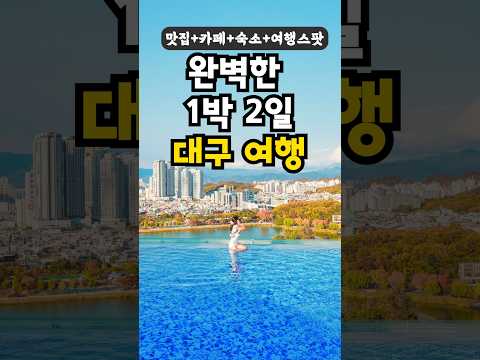
Located in the southeastern inland part of the Korean Peninsula, Daegu is a city characterized by distinct four seasons and a unique climate, typical of its basin topography. Historically, it was a major hub since the Silla Dynasty, and during the Joseon Dynasty, Gyeongsang Gamyeong (provincial office) was located here, serving as the administrative center of the Yeongnam region. During the Korean War, it served as a provisional capital, preserving a tumultuous history, and in the 1960s and 70s, it led economic growth as a mecca of the textile industry. This historical background has made Daegu a city of diverse charms today, where modernity and contemporaneity, tradition and vitality coexist.
Recommended for
- Modern History Enthusiasts: Those who wish to explore well-preserved modern cultural heritage sites that bear the pain of the Korean War.
- Food Travelers: Gourmands who want to experience the unique local flavors known as 'Daegu 10 Delicacies,' such as Makchang-gui and Ttaro-gukbap.
- Nature Lovers: Those who want to enjoy the majestic scenery of Palgongsan Mountain and the tranquility of Suseongmot Lake, a green oasis in the city center.
- Culture/Art Explorers: Those who want to experience the artistic sensibility of the city through the romance of Kim Gwang-seok Street and various festivals and performances.
- First-time Foreign Visitors to Korea: First-time visitors who want to experience unique local culture and find relatively good English guidance at major tourist attractions.
Getting There and Around
To Daegu from Major Cities:
- KTX/SRT: Approximately 1 hour 50 minutes from Seoul to Dongdaegu Station, and about 40-50 minutes from Busan, making it the fastest and most convenient option.
- Express Bus: Routes frequently operate from major cities nationwide, including Seoul and Busan, connecting to Dongdaegu Transit Center and Seodaegu Express Bus Terminal.
- Flight: Daegu International Airport (DAE) offers some domestic flights (e.g., to Jeju) and international flights.
Transportation within Daegu:
- Subway: Lines 1, 2, and 3 operate, connecting most major attractions in the city. Line 3, in particular, is a monorail, allowing you to enjoy the city scenery while traveling.
- Bus: Buses provide dense coverage to areas not reached by the subway, and using the city tour bus allows convenient exploration of major attractions.
- Rental Car/Taxi: Easily available at major transportation hubs like Dongdaegu Station.
5-7 Major Attractions
- Kim Gwang-seok Re-drawing Street: A romantic street filled with murals, sculptures, and song lyrics based on the life and music of the late Kim Gwang-seok.
- Palgongsan Mountain (Gatbawi Rock, Donghwasa Temple): Daegu's famous mountain, home to Gatbawi Rock, renowned for its 'Medicine Buddha,' and Donghwasa Temple, an ancient temple from the Silla Dynasty.
- Suseongmot Lake: A representative urban resting spot famous for its beautiful lake, walking paths, duck boats, and night views.
- Modern Alley Tour: A course to encounter Daegu's history by walking through alleys that hold 100 years of time, including Gyesan Catholic Church and the old houses of Lee Sang-hwa and Seo Sang-don.
- Seomun Market: A historic traditional market dating back to the Joseon Dynasty, where you can experience a variety of foods and a lively atmosphere.
- E-World & 83 Tower: A complex theme park combining an amusement park and an observatory that offers panoramic views of Daegu city.
- Apsan Park & Observatory: A famous spot where you can take a cable car up to enjoy magnificent panoramic views and nightscapes of Daegu city.
Local Food & Specialties
- Daegu 10 Delicacies (Taste): Ten dishes representing Daegu, including Makchang-gui, Ttaro-gukbap, Mungtigi (raw beef), Dongin-dong Jjim-galbi, and Napjak-mandu.
- Makchang-gui: Known for its chewy texture and savory flavor, typically eaten dipped in soybean paste sauce.
- Ttaro-gukbap: A Daegu-style yukgaejang where rice and soup are served separately, characterized by its rich and spicy broth.
- Napjak-mandu: A specialty dish made by grilling thin dumplings with little filling (mostly glass noodles) and sprinkling them with soy sauce and chili powder.
- Apples: Once renowned as the nation's largest apple producing region, it remains a symbolic local specialty of Daegu.
Seasonal Recommendations
- Spring (March-May): Enjoy a vibrant feast of spring flowers at E-World, Palgongsan Cherry Blossom Road, and Hajungdo Rape Flower Field.
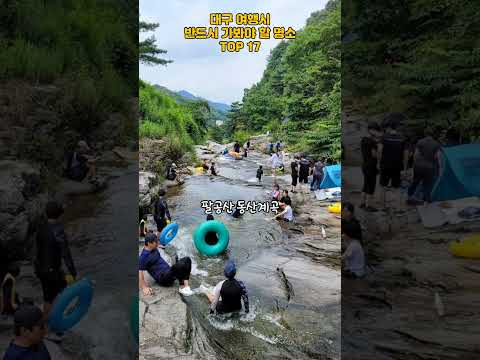
- Summer (June-August): Escape the heat at Palgongsan Valley or Spa Valley, and experience the excitement of the Daegu Chimac Festival.
- Autumn (September-November): Admire the beautiful autumn foliage at Palgongsan Mountain and Daegu Arboretum, and capture memorable photos at Hajungdo Cosmos Field.
- Winter (December-February): Enjoy the sparkling city night view from Apsan Park Observatory, and savor delicious Daegu 10 Delicacies indoors.
Tips for Foreign Visitors
- English Information: Major tourist attractions like Modern Alley and Donghwasa Temple are well-equipped with English signs, and there are also experience programs for foreigners, such as Templestay.
- Payment: Credit card payments are possible at most stores, but it's advisable to prepare cash for traditional markets like Seomun Market.
- Transportation: When using public transportation, it's convenient to use a rechargeable transportation card like 'T-Money,' and major subway stations have good English guidance.