📍 가볼 만한 곳
충청남도 게시판
공주 가서 뭐해??라고 묻는 사람들에게 권하는 여름 장마 뚜벅이 여행기 1탄
공주밤마을# 공주명물 밤파이# 공산성#주말여행

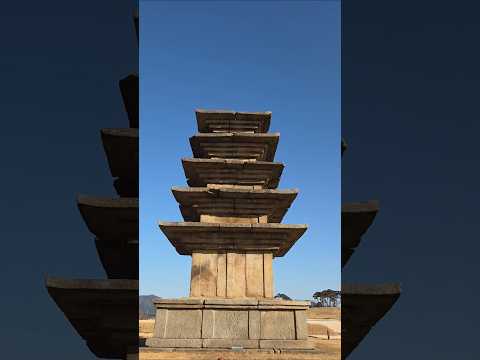
#왕궁리5층석탑 #오층석탑 #왕궁리유적 #세계문화유산 #백제 #남쪽궁궐담장 #백제왕궁후원정전 #백제왕궁박물관 #익산구경가자 #관광 #여행 #유적지
충남 공주로 떠난 혼술 여행기 | 산성시장 잔치국수 맛집 혼술부터 나의 아련한 추억의 술집, 그리고 공산성 야경까지🍺🌙
잔잔해서 더 좋았던 공주 여행 | #공주여행 #공주당일치기 #공주브이로그 #르코티 #공산성 #후멜로
공주 여행
감당할 수 없을 만큰 관광객이 늘어나서 고민이라는 '현시점 대한민국 1등' 관광도시 (전주아님)
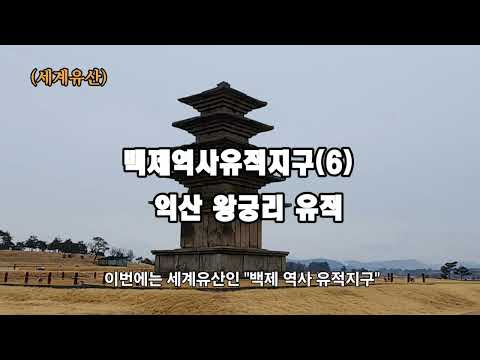
(세계유산) 백제역사유적지구(6) 익산 왕궁리 유적
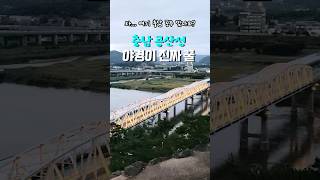
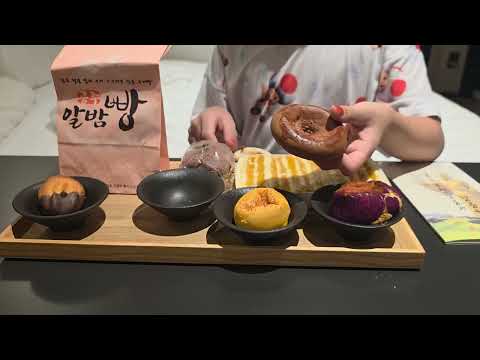
공주 여행 필수코스 베이커리 밤마을 제과명장 밤파이 #Shorts #공주여행
충남 공주 공산성, 성곽 조명에 금강 뷰까지 더해지니까 분위기가 미쳤어요.게다가 이곳은 백제역사유적지구의 유네스코 세계유산 등재에 포함된 세계문화유산! 공주 가면 꼭 들러보세요.
충청남도 한눈에 보기
충청남도는 한반도 중앙 서쪽에 자리하며 서해의 드넓은 해안선과 완만한 평야를 품은 땅입니다. 과거 백제의 수도(웅진, 사비)였던 공주와 부여를 중심으로 찬란한 문화를 꽃피운 역사의 중심지이기도 합니다. 덕분에 느긋하고 여유로운 기질 속에 풍부한 역사와 자연의 매력을 함께 간직하고 있는, 알면 알수록 깊이가 느껴지는 여행지입니다.
이런 분께 추천
- 역사 탐방가: 백제의 옛 수도인 공주와 부여에서 유네스코 세계유산을 따라 시간 여행을 떠나고 싶은 분.
- 자연 속 힐링을 원하는 분: 태안의 아름다운 해안 국립공원과 서산의 고즈넉한 풍경 속에서 진정한 휴식을 얻고 싶은 분.
- 미식가: 서해의 신선한 해산물(게국지, 어리굴젓 등)과 지역 특색이 담긴 토속 음식을 맛보고 싶은 분.
- 가족 여행객: 서울에서 가깝고, 보령 머드축제나 다양한 체험 농장 등 아이들과 함께 즐길 거리를 찾는 분.
- 한국의 또 다른 얼굴을 보고 싶은 외국인: 서울의 복잡함을 벗어나 한국의 전통적인 역사와 고즈넉한 자연을 경험하고 싶은 첫 방문객.
가는 길과 접근
- 서울에서: KTX/SRT를 이용하면 천안아산역까지 약 40분 만에 도착할 수 있어 접근성이 매우 뛰어납니다. 서울남부터미널 등에서 각 도시로 향하는 고속버스도 수시로 운행됩니다.
- 부산에서: KTX/SRT로 천안아산역까지 약 2시간이 소요되며, 논산역이나 공주역으로 가는 열차편도 있습니다. 고속버스는 천안, 공주, 보령 등 주요 도시로 연결됩니다.
- 지역 내 교통: 천안과 아산 지역은 수도권 1호선 전철이 연결되어 편리합니다. 그 외 지역은 시내버스 및 농어촌버스가 운행되지만, 배차 간격이 길 수 있어 구석구석 여행하려면 렌터카를 이용하는 것이 가장 효율적입니다.
대표 명소 5~7곳
- 공주 공산성: 금강이 감싸 도는 백제의 왕궁성으로, 성곽을 따라 걷는 야경이 특히 아름답습니다.
- 부여 백제문화단지: 사비성의 왕궁과 생활 모습을 재현해 놓은 국내 최대 규모의 역사 테마파크입니다.
- 태안해안국립공원: 리아스식 해안의 아름다운 풍경과 여러 해수욕장, 신두리 해안사구 등을 품고 있습니다.
- 보령 대천해수욕장 & 머드축제: 서해안 최대 해수욕장이자, 세계적인 머드축제가 열리는 활기 넘치는 곳입니다.
- 서산 해미읍성: 조선 시대의 대표적인 읍성으로, 평지에 지어진 성곽의 모습이 잘 보존되어 있습니다.
- 천안 독립기념관: 우리 민족의 독립을 향한 의지와 역사를 생생하게 느낄 수 있는 교육적인 명소입니다.
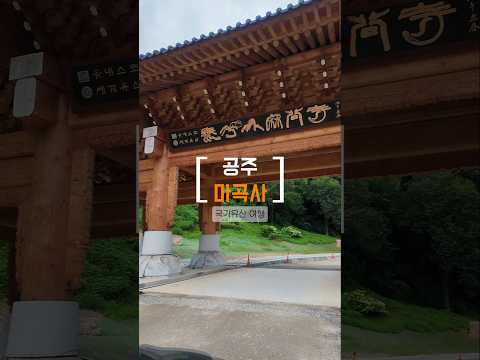
- 예산 수덕사: 고즈넉한 산사의 정취와 빼어난 건축미를 자랑하는 사찰입니다.
지역 음식 & 특산물
- 게국지 (태안): 신선한 꽃게와 묵은지를 함께 끓여내는 태안의 대표적인 향토 음식으로, 시원하고 깊은 맛이 일품입니다.
- 어리굴젓 (서산): 작은 굴을 소금과 고춧가루에 버무려 숙성시킨 젓갈로, 밥도둑이 따로 없습니다.
- 병천순대 (천안): 돼지 소창에 선지와 채소를 듬뿍 넣어 만들어 일반 순대보다 훨씬 부드럽고 담백한 맛을 자랑합니다.
- 호두과자 (천안): 천안의 명물로, 이제는 전국적인 간식이 된 고소한 호두가 들어간 대표 디저트입니다.
시기별 추천
- 봄: 벚꽃과 어우러진 공산성의 풍경과 서산 개심사의 청벚꽃을 감상하기 좋은 계절.
- 여름: 보령 머드축제의 열기를 느끼거나 태안의 여러 해수욕장에서 시원한 해수욕을 즐겨보세요.
- 가을: 계룡산과 대둔산의 오색 단풍을 배경으로 등산을 하거나, 역사 유적지를 걷기에 가장 좋은 때입니다.
- 겨울: 아산의 온천에서 따뜻하게 피로를 풀거나, 서해안에서 겨울 바다의 낭만과 일몰을 즐겨보세요.
외국인 방문 팁
- 언어: 천안 독립기념관, 공주, 부여 등 주요 관광지에는 영어 안내가 잘 되어 있는 편이나, 지역 식당이나 버스터미널에서는 소통이 어려울 수 있습니다. 번역 앱을 미리 준비하는 것이 좋습니다.
- 결제: 대부분의 상점에서 신용카드 사용이 가능하지만, 전통시장이나 소규모 식당에서는 현금이 필요할 수 있습니다.
- 교통: 주요 관광지는 '충남 투어패스'를 이용하면 더 저렴하게 둘러볼 수 있습니다. 버스 이용 시, 현지 교통카드(T-money 등)나 K-패스를 사용하면 편리합니다.
🧳 여행 준비물 추천
이 포스팅은 쿠팡 파트너스 활동의 일환으로, 이에 따른 일정액의 수수료를 제공받습니다.
🗺 지도에서 여행지 선택
등산
문화
이달의 베스트
지역






추천 동영상
통신
감당할 수 없을 만큰 관광객이 늘어나서 고민이라는 '현시점 대한민국 1등' 관광도시 (전주아님)

보령머드축제 가기 전, 저장해야 할 태안과 보령의 명소 6곳


15초 만에 마음이 편안해지는 부여 궁남지 빗소리


![[충청남도 천안&아산 여행]충남투어패스로 여행하기(코스 추천/설명 참조)](https://i.ytimg.com/vi/_papvOEWY5w/hqdefault.jpg)


Korea Free Festival, 10 Million Lotus Flowers in Bloom 🌸 Buyeo Lotus Festival #shorts

신라 석탑 열었더니 백제가… 왜 거기 있었나 60초 정리


#석애목 #미소린 #정의송 공주 수국 가요제 예심


백제 왕궁엔 왜 수세식 화장실이 있었을까

2026년 서귀포 휴애리 수국축제 할인행사

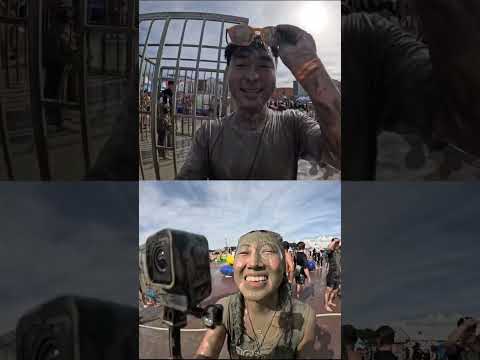
Boryeong Mud Festival: The Ultimate Mud Battle Experience Near Seoul


Boryeong Mud Festival #strangefestivals #youtubeshorts
![보령머드축제 글로벌 홍보영상 한국어 ver[보비필름] 충남 내포 영상](https://i.ytimg.com/vi/B8jd5XNiNvM/hqdefault.jpg)
보령머드축제 글로벌 홍보영상 한국어 ver[보비필름] 충남 내포 영상
![[백제 문화의 중심지, 익산 여행의 출발점📍 백제왕궁박물관!]](https://i.ytimg.com/vi/3R_DyVypffs/hqdefault.jpg)
!["다 같이 진흙으로 즐겨요"…보령 머드축제 '북적' [전국네트워크]](https://img.youtube.com/vi/5Ia2EBcl6cY/mqdefault.jpg)
"다 같이 진흙으로 즐겨요"…보령 머드축제 '북적' [전국네트워크]
