📍 Places to Visit
Gyeongsangbuk-do Board


![Only in Gyeongbuk Seongju! Ttaegwang Tour finds 100% PURE ONLY Natural Hot Spring Water♨ [Battle Trip 2] | KBS 230218 Broadcast](https://img.youtube.com/vi/dkmThQDi3cg/mqdefault.jpg)

Gyeongsangbuk-do at a Glance
Gyeongsangbuk-do is a treasure trove of South Korean history and a masterpiece of nature. It embraces Gyeongju, where the breath of the thousand-year-old ancient city of Silla resides, and Andong, which was the center of spiritual culture during the Joseon Dynasty, earning it the nickname "museum without a roof." Bordered by the blue East Sea to the east and the magnificent Sobaek Mountains to the west, it's a place where you can simultaneously experience the charm of both mountains and the sea, a diverse travel destination where tradition and modernity harmonize.
Recommended for
- History Explorers | Those who want to experience living history firsthand, from the moonlit nights of Silla to the profound dignity of seonbi scholars.
- Nature Lovers | Those who seek true healing amidst the rough waves of the East Sea, lush forests, and pristine nature.
- Foodies | Those who want to taste authentic local dishes that capture regional characteristics, such as Andong Jjimdak and Pohang Gwaemegi.
- Family Travelers | Those looking for activities the whole family can enjoy together, including history lessons, beautiful nature, and exciting experiential facilities.
- First-time Foreign Visitors | Those who want to experience both Korea's most traditional aspects and beautiful natural landscapes simultaneously.
Getting There and Access
From the Seoul Metropolitan Area to Gyeongsangbuk-do, KTX is the fastest and most convenient option. It takes about 2 hours and 30 minutes to reach Pohang Station or Gyeongju Station (Singyeongju Station) from Seoul Station. Transferring at Dongdaegu Station allows for easy travel to other areas like Andong. From Busan, it takes 30 minutes by KTX and about 1 hour by intercity bus to Gyeongju, making it highly accessible. Using Pohang Gyeongju Airport is also an option, but flights are limited. Intercity bus routes are well-established within the region, but if you wish to freely explore hidden gems, car rental is recommended.
5-7 Must-Visit Attractions
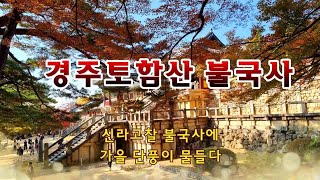
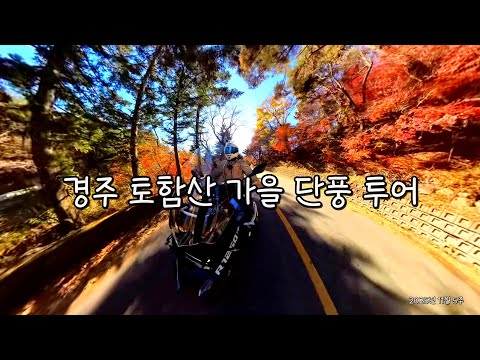
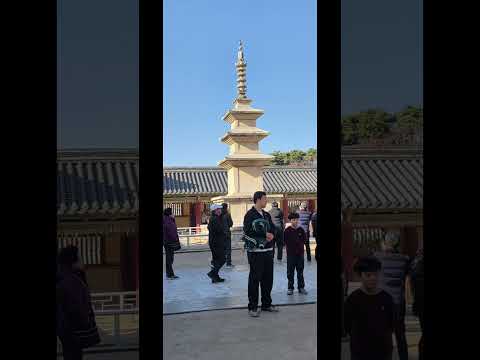
- Gyeongju (Bulguksa Temple, Seokguram Grotto, Donggung Palace and Wolji Pond): A historic site embracing a thousand years of Silla history, and a representative Korean attraction registered as a UNESCO World Cultural Heritage site.
- Andong Hahoe Folk Village: A historic folk village where the Nakdonggang River flows around it, registered as a UNESCO World Heritage site.
- Pohang Space Walk: An experiential sculpture where you can walk on a steel skywalk and enjoy the night view of Yeongildae Beach and POSCO.
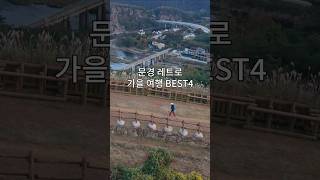
- Mungyeong Saejae Pass: A historic pass where ancient seonbi scholars used to travel to Hanyang for national exams, ideal for walking amidst beautiful natural scenery.
- Ulleungdo Island & Dokdo Islets: A volcanic island holding ancient mysteries, a treasure at the easternmost tip of South Korea, boasting unique natural landscapes and pristine seas.
- Yeongju Buseoksa Temple: A historic temple renowned for its beautiful wooden architecture, Muryangsujeon Hall, and spectacular open views.
- Uljin Geumgangsong Eco-rium: A premium forest bathing and healing experience space amidst a centuries-old cluster of Geumgangsong pine trees.
Local Cuisine & Specialties
- Andong Jjimdak: Andong's signature dish, featuring chicken, various vegetables, and glass noodles simmered in a soy sauce, offering an excellent sweet and spicy flavor.
- Pohang Gwaemegi: A winter delicacy, semi-dried Pacific saury or herring cured by sea breeze, enjoyed with gim (seaweed) and miyeok (sea mustard).
- Gyeongju Hwangnambbang: Gyeongju's famous bread, with a thin crust filled with domestic red bean paste, whose history began in 1939.
- Yeongdeok·Uljin Snow Crab: Snow crabs caught in the pristine waters of the East Sea taste best from winter to early spring.
Recommended by Season
- Spring: In Gyeongju, where the entire city is painted with cherry blossoms centered around the Bomun Complex, capture the photo of a lifetime.
- Summer: Enjoy refreshing swimming and marine leisure activities at various Pohang beaches such as Yeongildae and Chilpo.
- Autumn: Walk along the old path of Mungyeong Saejae Pass and immerse yourself in the ambiance of autumn foliage.
- Winter: Taste the plump Yeongdeok and Uljin snow crabs, and warm your body at Uljin's hot springs.
Tips for Foreign Visitors
- Language: Major tourist destinations like Gyeongju and Andong are well-equipped with English signs and information centers, but translation apps can be useful in smaller towns or rural areas.
- Payment: Credit card payments are possible at most restaurants and shops, but cash may be needed in traditional markets or small rural stores.
- Transportation: Travel between major cities is convenient, but if you don't have a rental car, it's important to check bus schedules in advance. Rural and fishing village buses, in particular, may have long intervals between services.
🗺 Choose a destination on the map
Today's Videos
News






Recommended Videos
News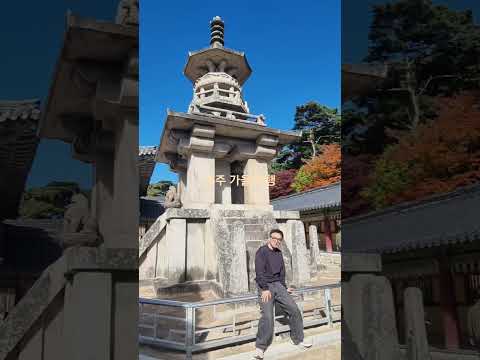
![[Record 552] Gyeongju Trip: Captured the beautiful architecture of Bulguksa Temple in Gyeongju, including Daeungjeon Hall, Seokgatap Pagoda, Dabotap Pagoda, Cheongungyo and Baegungyo Bridges.](https://i.ytimg.com/vi/J0O7s8dz1co/hqdefault.jpg)

![[Gyeongju] Millennium Capital Gyeongju Bulguksa Temple✨️ Autumn Foliage Hotspot](https://i.ytimg.com/vi/DV_NlE7BaK0/hqdefault.jpg)


