Suncheon Bay National Garden and Suncheon Bay Wetland
Jeollanam-do Suncheon is a rare travel destination in Korea where you can see both the 'Korea's No. 1 National Garden' and a coastal wetland registered under the Ramsar Convention in one city. Because the splendid beauty of a well-maintained garden and the wild scenery of vast mudflats and reed fields coexist within a single course, it satisfies all travelers with different purposes, from family strolls to photography and ecological observation.
Why It's Worth Visiting
Suncheon Bay National Garden was designated as Korea's No. 1 National Garden in 2015 after the site where the 2013 Suncheon Bay International Garden Expo was held was reorganized. Various themed gardens are spread out with Dongcheon Stream in between, allowing visitors to enjoy flowers and trees all year round. A little further towards the sea lies Suncheon Bay Wetland, an ecological treasure famous for its mudflats, reed colonies, and hooded cranes that visit in winter. The key to a trip to Suncheon is being able to experience the contrasting charms of a 'well-maintained garden' and an 'untouched wetland' all in one day.
How to Get There
- Train: Take KTX or SRT to Suncheon Station, then take a city bus or taxi to the National Garden and Wetland. From Seoul, it takes approximately 2 hours and 30 minutes to Suncheon Station.
- Garden↔Wetland Transfer: Suncheon Bay National Garden and Suncheon Bay Wetland are separate, but connected by linking transportation such as unmanned rail cars, making it easy to visit both together.
- Car: Parking lots are available at the Garden, making private car access convenient. During weekends and peak seasons, early visits are recommended for easier parking and movement.
Admission fees, operating hours, and rail car operation information vary by season, so it is recommended to check official announcements before your visit.
Nearby & Connected Courses
Suncheon is a great base for exploring southern Jeollanam-do. Naganeupseong Folk Village with its thatched-roof houses, and the thousand-year-old temples Songgwangsa and Seonamsa are not far by car. Boseong, famous for its green tea fields, and Boseong Green Tea Plantation are also in the same region, naturally forming a 1-night, 2-day itinerary. Spending a day at the garden and wetland, then continuing to Boseong Green Tea Plantation or a nearby coastal drive the next day, is a smooth itinerary.
Seasons & Tips
- Summer: Enjoy summer flowers like hydrangeas and lotus flowers in the garden, and the dense greenery. It is recommended to take a walk in the morning or around sunset to avoid the midday heat.
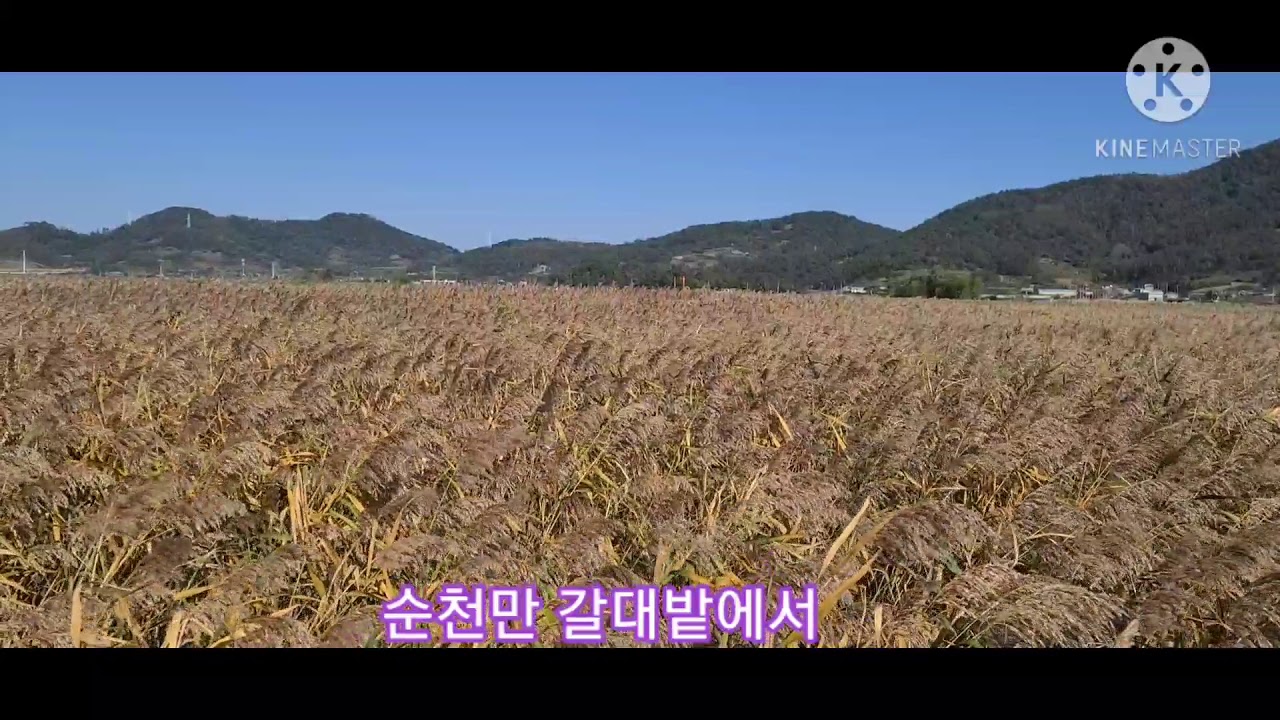
- Autumn: The peak season when Suncheon Bay Wetland's reed fields turn golden, making it a top spot for sunset photography.
- Winter: The optimal time for observing migratory birds, including hooded cranes.
- Preparations: The wetland trails have little shade, so bring a hat, parasol, and water. The mudflat deck can be slippery, so comfortable shoes are recommended.
Background
Suncheon Bay is a region that has pursued both mudflat conservation and eco-tourism from early on, gaining international attention for choosing to protect its wetlands instead of engaging in indiscriminate development. This effort led to its registration as a Ramsar Wetland and its designation as the No. 1 National Garden, becoming the reason why Suncheon is called an 'Eco-City' today. Beyond being a mere sight to behold, Suncheon Bay is a place worth exploring slowly, as it allows visitors to directly witness 'how cities and nature can coexist.'
🎟 Book Tickets & Tours
Book on KlookSome Klook booking links on this page are affiliate links, and we may earn a commission on qualifying purchases.
🚕 Get a Taxi
Today's Videos
News


![[Safety Manager Practice Cafe] Suncheon Bay Reed Field Trail](https://i.ytimg.com/vi/3ded1ZpVamQ/hqdefault.jpg)

