Shorter Days of Autumn 2026: The Essential Night Hiking Gear Guide
🎬 Watch videosAs Days Shorten in Fall 2026: Safe Night Hiking Gear Guide
In September 2026, as daylight hours dwindle, more hikers find themselves caught out after dark or deliberately planning short nighttime treks. Hiking at night presents an entirely different environment compared to daytime trails, making thorough preparation vital for safety. This guide covers the essential gear and key information needed for a safe night hike.
Why Night Hiking is Different
Night hiking is not just an extension of daytime trekking. Visibility becomes severely restricted, temperatures plunge rapidly, and losing your sense of direction is easy. Even familiar trails look completely unrecognizable once the sun goes down. Because the risks of tripping or losing your way surge dramatically, proper preparation is an absolute must.
- Limited Visibility: It is difficult to spot obstacles like uneven terrain, tree roots, and low-hanging branches.
- Rapid Temperature Drops: Once the sun sets, temperatures fall fast, significantly raising the risk of hypothermia.
- Risk of Disorientation: Without visible landmarks, it is remarkably easy to wander off-course even on familiar routes.
- Active Nocturnal Wildlife: Nightfall marks the onset of nocturnal animal activity.
Essential Gear: Headlamp
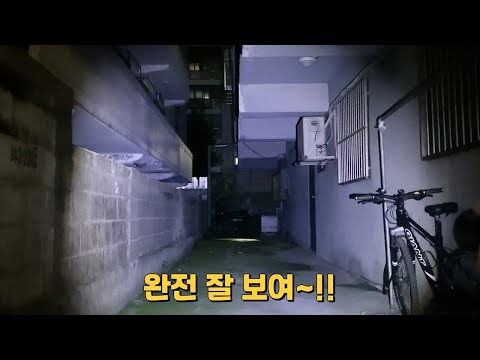
By far, the most critical piece of equipment for night hiking is a headlamp. Keeping your hands free is essential for maintaining balance and safety. A smartphone flashlight simply cannot replace a dedicated headlamp in terms of field of view, battery management, or durability.
When choosing a headlamp, consider brightness (lumens), beam distance, runtime, and waterproof rating. The table below outlines key criteria based on intended use.
| Category | Recommended Brightness (Lumens) | Key Features | Best For |
|---|---|---|---|
| Light Evening Walks | 100–200 | Lightweight, simple features, affordable | Beginners, well-maintained park trails or short paths |
| Standard Night Hiking | 300–500 | Adjustable brightness, strobe, red light mode, water resistance | Most night hikers, established mountain trails |
| Trail Running / Rugged Terrain | 600+ | High output, long beam distance, rear safety light, external battery pack | Fast-moving trail runners, navigating rough or technical terrain |
Night Hiking Checklist
-
Lighting
- 1 primary headlamp
- 1 backup headlamp or compact flashlight
- Spare batteries for your headlamp (or a portable power bank for rechargeable models)
-
Clothing & Layering
- Windproof/waterproof jacket
- Insulating mid-layer (fleece, lightweight down jacket, etc.)
- Beanie and gloves to retain body heat
- Extra pair of socks
-
Safety & Emergency Essentials
- Fully charged smartphone and portable power bank
- Hiking Smartwatch Guide with GPS capability or offline mapping app
- First-aid kit (antiseptic, bandages, compression wrap, etc.)
- Emergency whistle for signaling location
- Emergency trail snacks (energy bars, nuts, dried fruit)
-
Additional Hiking Gear
- Trekking poles (helpful for stability and probing uneven ground)
- Thermos filled with warm water
- Trash bag (Leave No Trace)
National Park Night Hiking Regulations (As of 2026)
Most national parks in Korea enforce a "Designated Trail Access Hours System" (Ipsan Sigan Jijeongje) to protect visitor safety, effectively banning hiking after dark under standard regulations.
-
Permitted Trail Access Hours (As of 2026-08)
- Summer season (March–November): From 4:00 AM
- Winter season (December–February): From 5:00 AM
- Each trailhead sets its own cutoff entry time (typically between 11:00 and 17:00), so be sure to check the respective national park website beforehand.
-
Fines for Violations
- Under Article 28 of the Natural Parks Act, entering trails outside permitted hours or accessing restricted areas will result in a fine.
- A first offense may incur a fine of up to 200,000 KRW.
Frequently Asked Questions
Q. Can I just use my smartphone flashlight instead of a headlamp?
A. It is strongly discouraged. A smartphone flashlight occupies one of your hands, making it difficult to react quickly in a slip or fall, and its diffuse light does not illuminate distant terrain or immediate footing effectively. Furthermore, it drains your phone's battery—your primary lifeline for emergency calls—leaving you vulnerable to stranding.
Q. Are trekking poles really necessary for night hikes?
A. While not mandatory, they are highly recommended. Trekking poles provide vital stability and let you feel out unseen dips, drops, or obstacles in the dark before you step on them. They also significantly relieve strain on your knees during descents.
Q. How should I dress for a fall night hike?
A. Layering is key. The basic setup includes a moisture-wicking synthetic or merino base layer, an insulating fleece mid-layer, and a wind- and waterproof shell on the outside. Temperatures drop much faster after sunset than most hikers expect, so pack warm layers and consider companion tools like Autumn Hiking Smart Gear.
Today's Videos
News




![[One Piece Hiking Club] Night hiking with two Daiso headlamps?? | Seoul Yongmasan Night Hike (Difficulty: Medium)](https://i.ytimg.com/vi/TiqXQQn_UxQ/hqdefault.jpg)