A Walk Through Modern History: Strolling Jeongdong-gil in the Heart of Seoul, Autumn 2026
🎬 Watch videosA Walk Through Modern History: Strolling Jeongdong-gil in the Heart of Seoul, Autumn 2026 Board
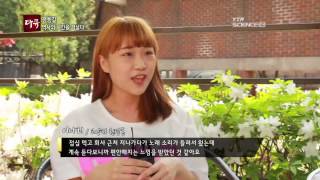
The Heart of Seoul: A Fall 2026 Modern History Walk Along Jeongdong-gil
In autumn 2026, why not take a stroll down a street where time seems to stand still right in the heart of Seoul? Tucked between towering skyscrapers, Jeongdong-gil offers serene stone-wall paths, vibrant autumn foliage, and the living history of the Korean Empire. Far more than just a scenic walking trail, this street serves as an open-air museum preserving pivotal moments of Korea's modern history. This guide details a walking route to experience the best of Jeongdong-gil, including key attractions, practical visitor information, and historical context.
At a Glance: Autumn Walk Along Jeongdong-gil
Jeongdong-gil stretches just over 1 km along the Deoksugung Stonewall Walkway. In the late 19th century, it served as a diplomatic hub crowded with legations of Western powers, quickly becoming home to Korea's first modern schools, churches, and hospitals. As a result, you can easily spot early modern Western-style architecture scattered throughout the area.
In autumn, golden ginkgo trees form a romantic canopy overhead. For 2026, peak foliage is expected between late October and early November. Strolling along Jeongdong-gil during this window offers both breathtaking seasonal scenery and an evocative journey through the waning days and ambitions of the Korean Empire.
Recommended Walking Route (Approx. 1.5–2 Hours)
Starting from City Hall Station, this classic itinerary takes you through the signature highlights of Jeongdong.
-
Start: City Hall Station (Exit 1 or 12) Emerge in front of Daehanmun, the main gate of Deoksugung Palace. Check the schedule for the Royal Guard Changing Ceremony (daily at 11:00, 14:00, and 15:30; closed Mondays and during extreme heat/cold) to kick off your walk.
-
Deoksugung Stonewall Walkway Keep Daehanmun on your left and follow the stone wall. Since a previously closed section through the British Embassy grounds reopened in 2018, visitors can now walk the entire perimeter without interruption. It is an ideal stretch for soaking in the autumn mood.
-
Seoul Museum of Art (Former Supreme Court Building) Located near the start of the stonewall path, this Renaissance-style building originally housed Korea's Supreme Court before being converted into a contemporary art museum. Permanent exhibitions are free to enter.
-
Chungdong First Methodist Church & Appenzeller Noble Memorial Museum Past the red-brick Gothic chapel of Chungdong First Methodist Church—Korea's first Methodist church—you will find the Appenzeller Noble Memorial Museum (the historic Pai Chai Haktang building), which commemorates the dawn of modern education in Korea.
-
Jeongdong Theater Opened in 1995 to carry on the legacy of Wongaksa, Korea's first modern theater, this venue hosts a wide range of traditional performing arts and stage productions.
-
Former Russian Legation Perched on a hill near the end of the trail, this Renaissance-style structure was the site of the Agwan Pacheon (King Gojong's refuge at the Russian Legation in 1896). Today, only its distinctive white three-story tower remains as a solemn witness to history.
Key Visitor Information: Deoksugung Area
As the centerpiece of the walk, Deoksugung Palace and its on-site cultural facilities have distinct admission policies and ticketing requirements. Check the table below to plan your visit smoothly.
| Attraction / Facility | Description | Admission | Notes |
|---|---|---|---|
| Deoksugung Palace (Main Grounds) | Imperial palace of the Korean Empire; historic palace halls | Adults (ages 25–64): KRW 1,000 | Free for ages 24 and under, 65 and over. Free on the last Wednesday of each month ("Culture Day"). |
| Seokjojeon Hall (Korean Empire History Museum) | Imperial living quarters and historical exhibitions | Included with palace admission | Advance online reservation required via the official website (free reservation). |
| MMCA Deoksugung (National Museum of Modern and Contemporary Art) | Modern art museum located inside palace grounds | KRW 2,000 | Requires a separate ticket in addition to palace admission. |
What to Bring & Travel Tips
- Comfortable walking shoes: Although the entire path is paved, you will be on your feet for over an hour.
- Light layers: Autumn days can be pleasantly mild, but temperatures drop quickly after sunset.
- Camera: Perfect for capturing the picturesque blend of stone walls, historic architecture, and fall colors.
- Transit card & some cash: Handy for public transit, admission tickets, and street snacks.
- Booking confirmation: Have your advance reservation confirmation ready if you plan to tour Seokjojeon Hall.
History & Context: The Korean Empire and Jeongdong
The name Jeongdong (貞洞) originates from Jeongneung, the royal tomb of Queen Sindeok, the second wife of King Taejo of Joseon. The neighborhood took center stage in modern history starting in 1883 with the establishment of the American Legation. Soon after, the legations of Britain, Russia, and France followed, turning Jeongdong into the diplomatic nucleus of late Joseon during the Enlightenment era.
In 1897, King Gojong returned from the Russian Legation to Gyeongungung Palace (now Deoksugung) and proclaimed the founding of the Korean Empire, cementing Jeongdong as the imperial heart of the nation. Western-style neoclassical structures like Seokjojeon were built against this backdrop of modernization. Walking Jeongdong-gil is therefore a tactile encounter with the turbulent twilight of Joseon and the brief, ambitious era of the Korean Empire. If you are intrigued by modern heritage architecture from this same era, consider exploring the Mokpo Modern Architecture Fall Walk guide.
Frequently Asked Questions (FAQ)
Q1: Can you walk the entire Deoksugung Stonewall Walkway without interruption? A: Yes. A roughly 100-meter segment between the British Embassy's back gate and main gate was once closed to the public, but it fully reopened in August 2018. You can now walk the entire 1.1 km circular path around Deoksugung without interruption.
Q2: When is the best time to see the autumn leaves along Jeongdong-gil? A: The street's famous golden ginkgo foliage typically peaks between late October and early November. Visiting during this window offers the most stunning autumn scenery. For more foliage destinations nearby, check out our guide to 2026 Autumn Foliage Day Trips Around Seoul.
Q3: Does a Deoksugung Palace ticket cover admission to both Seokjojeon and the art museum? A: No. General palace admission (KRW 1,000) covers entry to the historic palace grounds and main halls. While Seokjojeon (Korean Empire History Museum) is free for palace ticket holders, you must make an advance time-slot reservation online. MMCA Deoksugung requires a separate admission ticket of KRW 2,000 on top of the palace entrance fee.
Today's Videos
News


