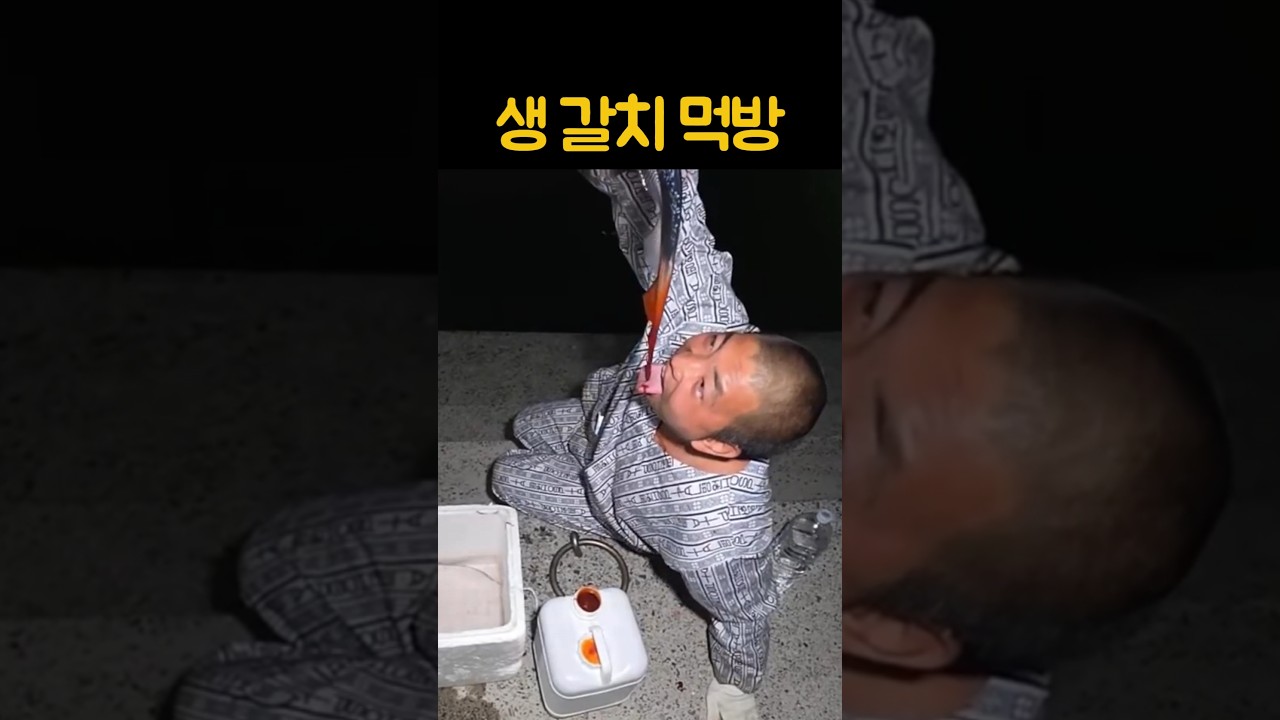
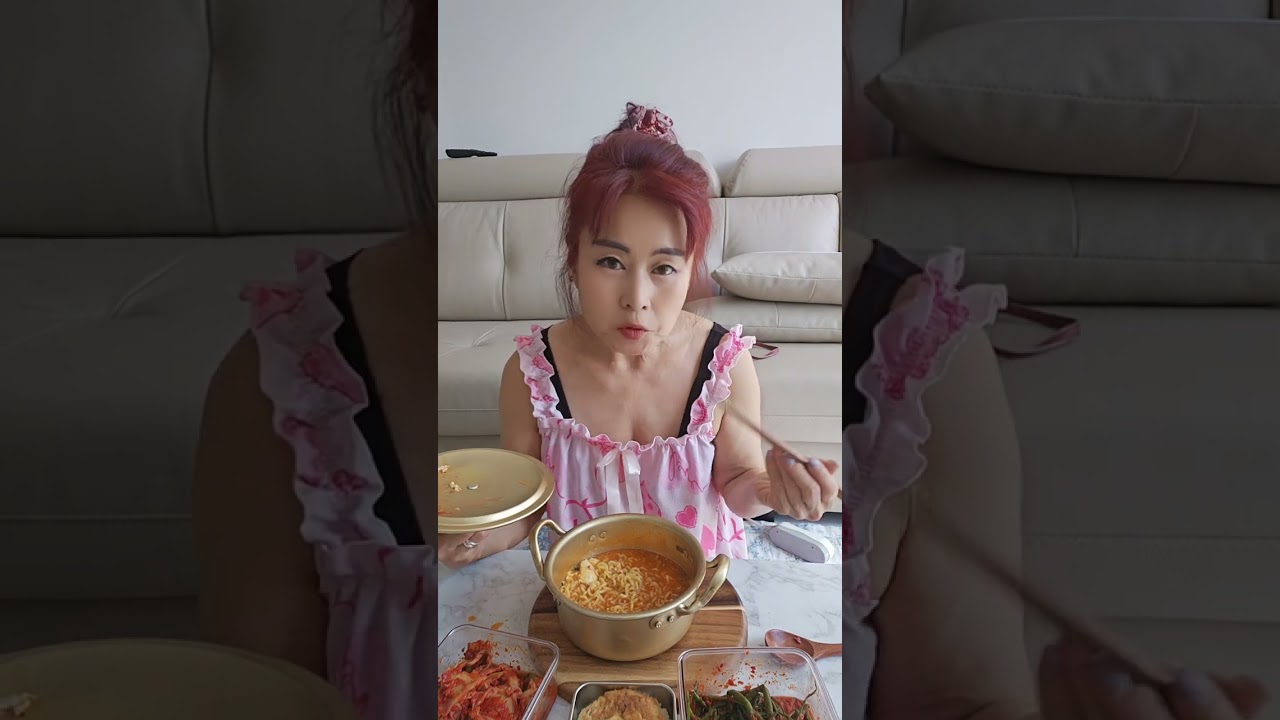
MukBang
🎬 Watch videos📍 Places to Visit
MukBang Board
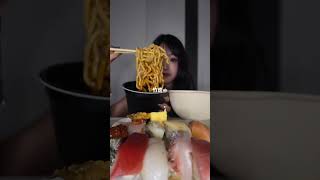
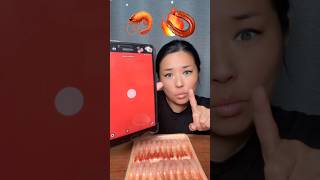
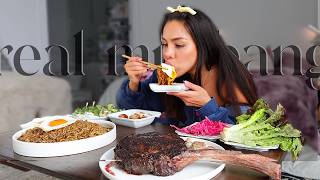
![[Special] From leftover chicken from yesterday to spicy tteokbokki in the freezerㅋㅋ The realistic refrigerators of somewhat familiar K-solo-livers💥 | Please Take Care of My Refrigerator | JTBC 260816 broadcast](https://img.youtube.com/vi/CsCzb3G3CgM/mqdefault.jpg)

Mukbang (MukBang)
A food content genre that originated in Korea. It typically features a person eating food on camera, characterized by a combination of visual and auditory stimulation and the Korean 'han sang charim' (a full table setting) dining culture.
It began in the late 2000s on Korean internet broadcasting platforms (AfreecaTV) and spread globally, with "mukbang" officially listed in the Oxford English Dictionary in 2021. The English-speaking audience significantly increased during the COVID-19 pandemic.
Key Themes:
- Korean Food: Hansik (Korean traditional full-course meal), Bunsik (snack foods), Kimchi, Ramyeon, Samgyeopsal
- Spicy Food: Buldak, Spicy Ramyeon, Malatang
- Large Portions: Mega-sized menus, Food challenges
- Seafood: Hoe (raw fish), Lobster, Grilled Clams
- Dessert · ASMR: Cake, Candy, Snack ASMR
Representative Domestic Channels: Tzuyang, Hamzy, Ipjjabeunhaessnim, Ddeonggaeddeong, and others have secured not only Korean viewers but also global viewers through their English-subtitled channels.
Platforms: YouTube, AfreecaTV, Twitch, etc.
Reasons Why Mukbang is Loved
The appeal of mukbang lies in "vicarious satisfaction" and the "feeling of eating together." In an era where eating alone has become commonplace, viewers feel a sense of companionship, as if sharing a meal with the host on screen, combined with the ASMR-like stimulation from crisp, sizzling, and slurping sounds. The unique Korean "han sang gadeuk" (a table full of dishes) presentation and fast-paced editing added to its novelty for global viewers.
How to Enjoy Mukbang
- Beginner: Starting with a Hansik full-course mukbang allows you to learn about Korean food culture simultaneously.
- Stimulating: Spicy food and large-portion challenges offer short but intense pleasure.
- Calmly: Dessert and snack ASMRs are great for light viewing before sleep.
- Expanding: Connecting the menus from the videos to actual restaurants or travel destinations enhances the enjoyment.
Frequently Asked Questions
- When and where did it start? It started in the late 2000s on Korean internet broadcasting platforms and spread globally via YouTube.
- Why did it become an English word? It has established itself as a genre to the extent that 'mukbang' was listed in the Oxford English Dictionary in 2021.
- Where can I watch it? It is widely consumed on YouTube, AfreecaTV, Twitch, etc.
One-Line Summary
A Korean-originated content genre that started as "eating for viewing" and became a global common language. Food, sound, and culture come together, making it easy to get into and highly expandable.
You Might Also Like
MukBangASMR · Chicken · HongdaeStreet · Drama · Netflix
Today's Videos
News





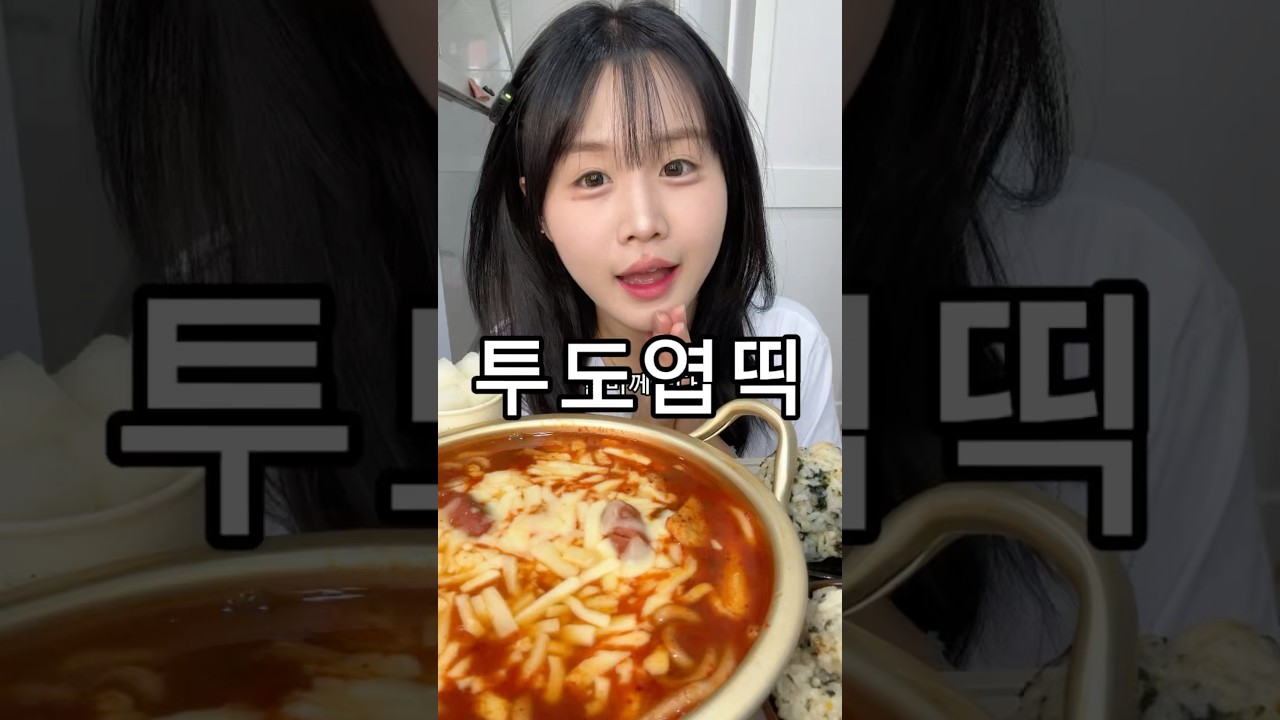
Recommended Videos
News


![[Whatever Eat Log] Tartine Bakery Country Half + Mugwort Latte, Carbo Buldak + Tuna Mayo Triangle Gimbap, Peach #dailymuk 205](https://i.ytimg.com/vi/mPY4dAT72wo/maxresdefault.jpg)


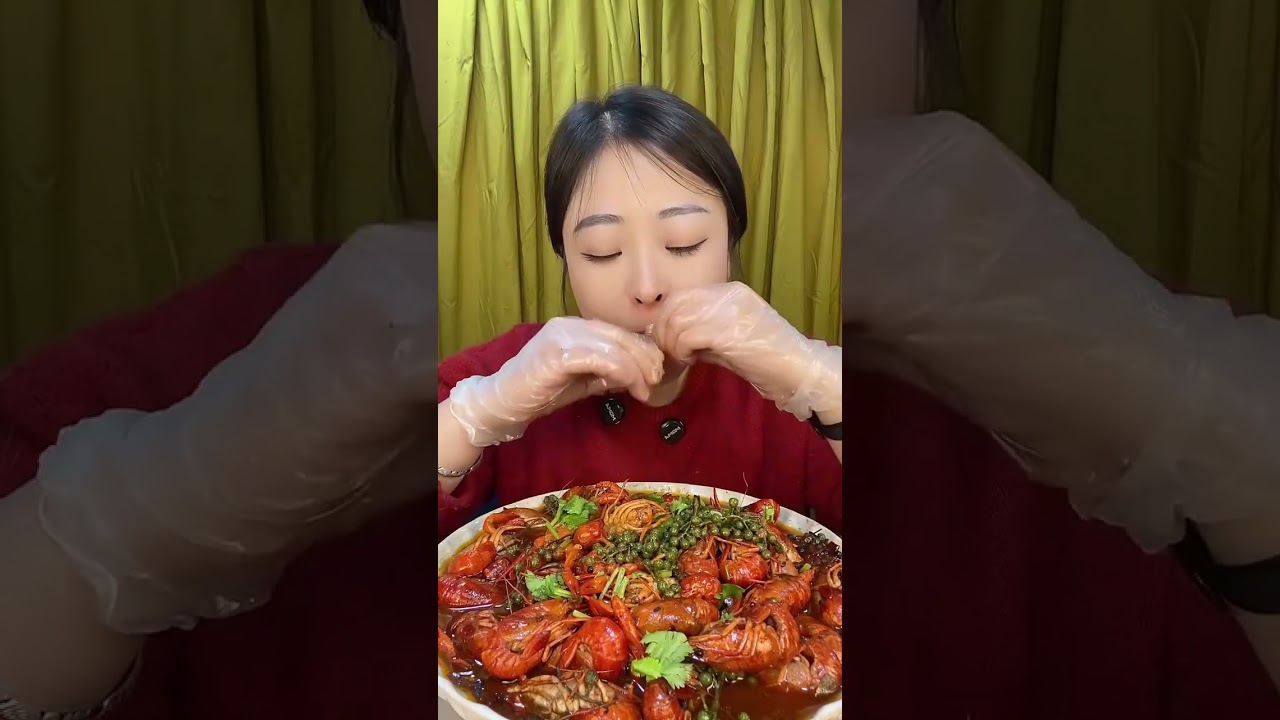
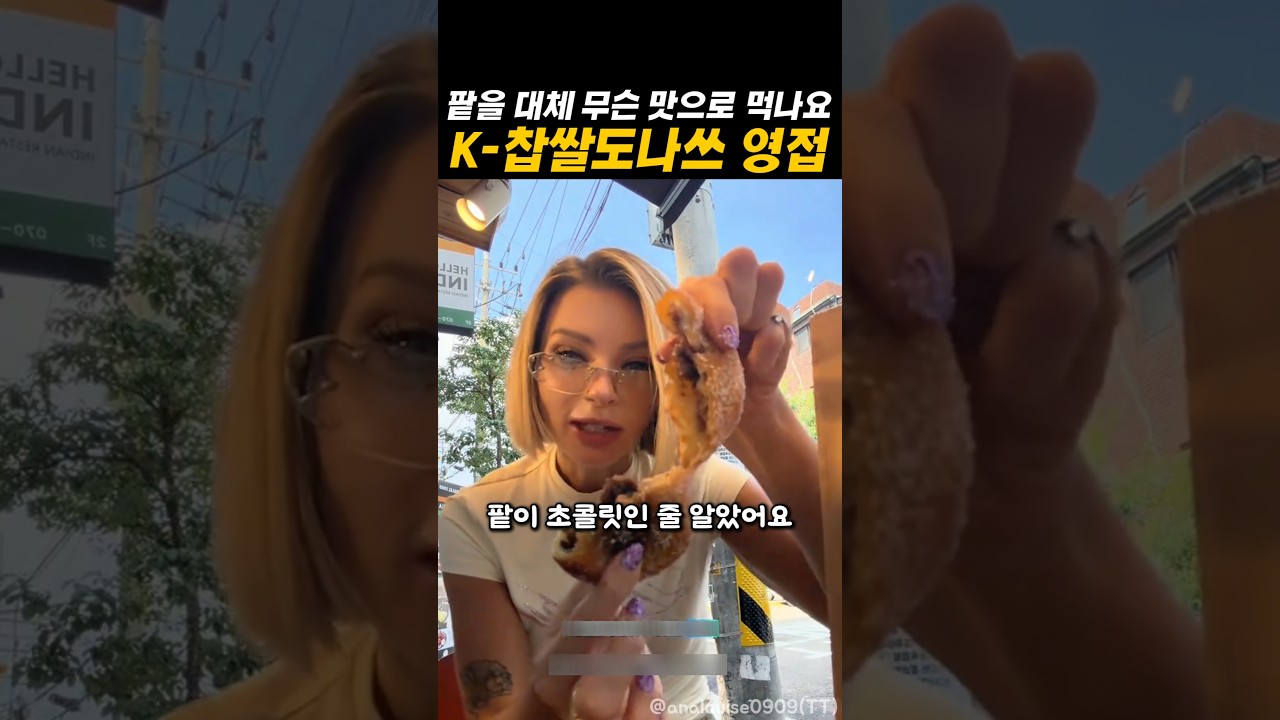
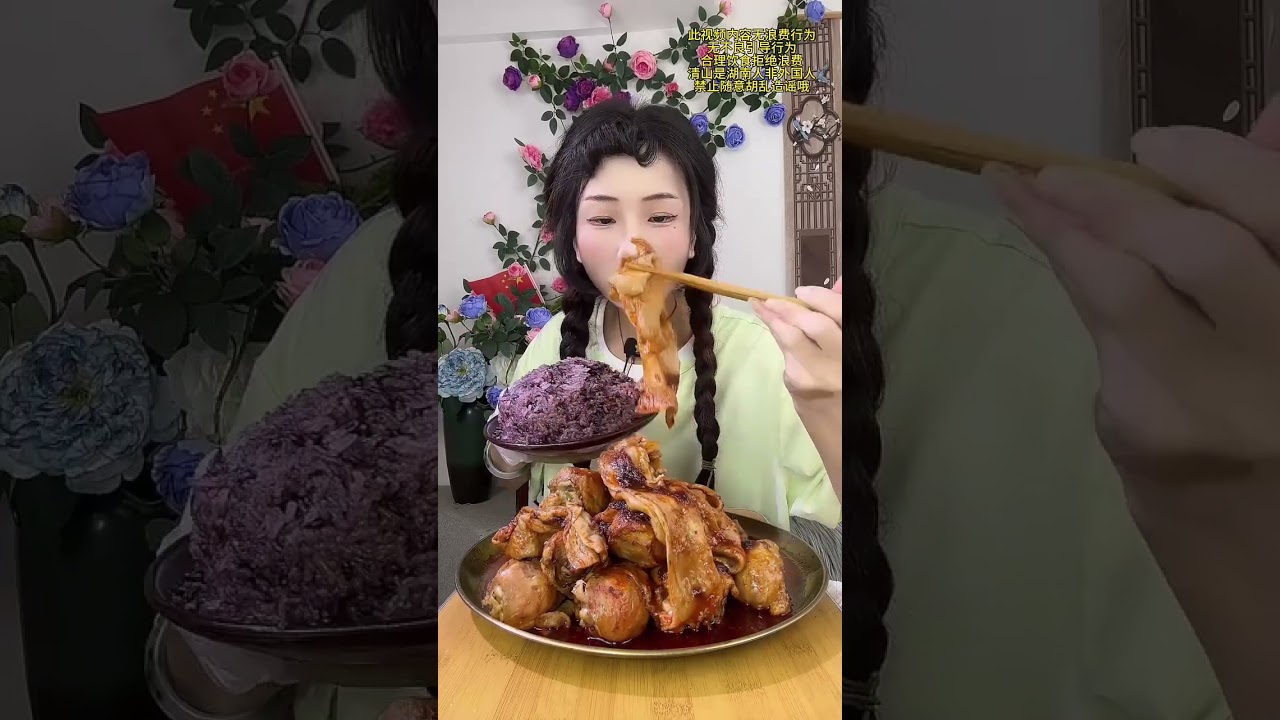


![Part 5!! Mukbang YouTuber Debut [Roblox Mukbang Game]](https://i.ytimg.com/vi/k1QfqJDUruk/maxresdefault.jpg)