Today's Videos
News


![[4K60P] Kep1er - WA DA DA | Kim Chaehyun Focus FanCam | 260919 @ COLOR OF ASIA 2026](https://i.ytimg.com/vi/fNstpY7Axt0/maxresdefault.jpg)
![[4K CAM] 260919 Kep1er KIM CHAEHYUN 'BUBBLE GUM' / 'Back to the City' Vertical Fancam](https://i.ytimg.com/vi/CjiJ7-8TKuI/maxresdefault.jpg)






🗺 Choose a destination on the map
📍 Places to Visit
Hiking — A Guide to Korea's Mountains for Travelers
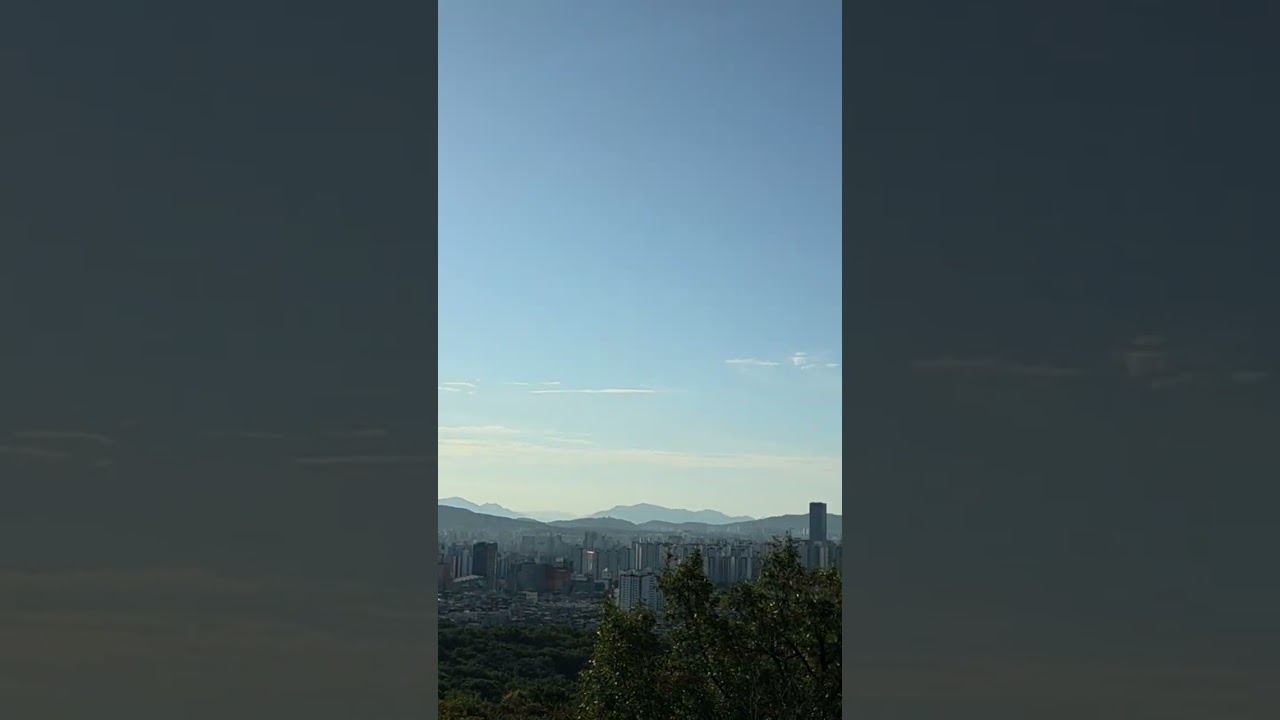
Ask a Seoul-resident friend what they did on the weekend and "I went up a mountain" comes back more often than you'd expect. About 70% of Korea is mountains, and hiking isn't really a special hobby here — it's closer to daily life. 30 minutes by Seoul subway puts you at a national park entrance, and on Jeju you can summit Korea's highest peak in a day — the conditions are right for foreign travelers to experience Korean mountains without much trouble.
This category gathers 5 mountains chosen by accessibility and scenery — from sneaker-friendly walks to full-day challenges.
What makes Korean mountains different
- Four distinct seasons mean the same mountain looks completely different each season: spring azaleas, summer valleys, autumn foliage, winter snow
- Most national parks are free — no admission fee
- Korean and English signage at every fork — getting lost is rare
- Convenience stores and restaurants line the entrances — no need to pack a lunchbox in advance
- A huge hiking population means trails are well-maintained and help is close if something goes wrong
Pick by difficulty
- 🟢 Beginner — Namsan (downtown Seoul): cable car, stairs, walking paths. Sneakers fine, no boots needed. 2 hours to the top.
- 🟢 Beginner — Bukhansan Dulle-gil: flat forest paths. Just bring sneakers and a snack.
- 🟡 Half-day — Bukhansan's Baegundae / Mudeungsan: 4–6 hour courses. Temples and rock scenery.
- 🔴 Full-day challenge — Seoraksan / Hallasan: Korea's signature peaks. Dawn start, hiking boots required.
Good to know
- Carry at least 1 L of water and snacks (chocolate, nuts) — shops are at the entrances only
- Hallasan summit courses require advance reservation — open about a month before at visithalla.jeju.go.kr
- Ridges are windy year-round — always pack a light jacket
- Watch the timing in summer and winter — dawn-to-morning in summer, descend before sunset in winter
- Cellular signal is weak in some sections — agree on a meeting spot in advance
The mountains below are picked because foreign travelers can realistically tackle them within a day. Each mountain's page has courses, transport, season-by-season views, and food spots.
Recommended Videos
News















![[4K][FANCAM] 260913 KiiiKiii KYA ‘Pain in the Dark + Leave Your Mark pt.2’ Fancam | LCK Finals](https://i.ytimg.com/vi/77fc1E7RYW4/maxresdefault.jpg)